

Fashion Photography Production Checklist for Designers on a Small Team Budget
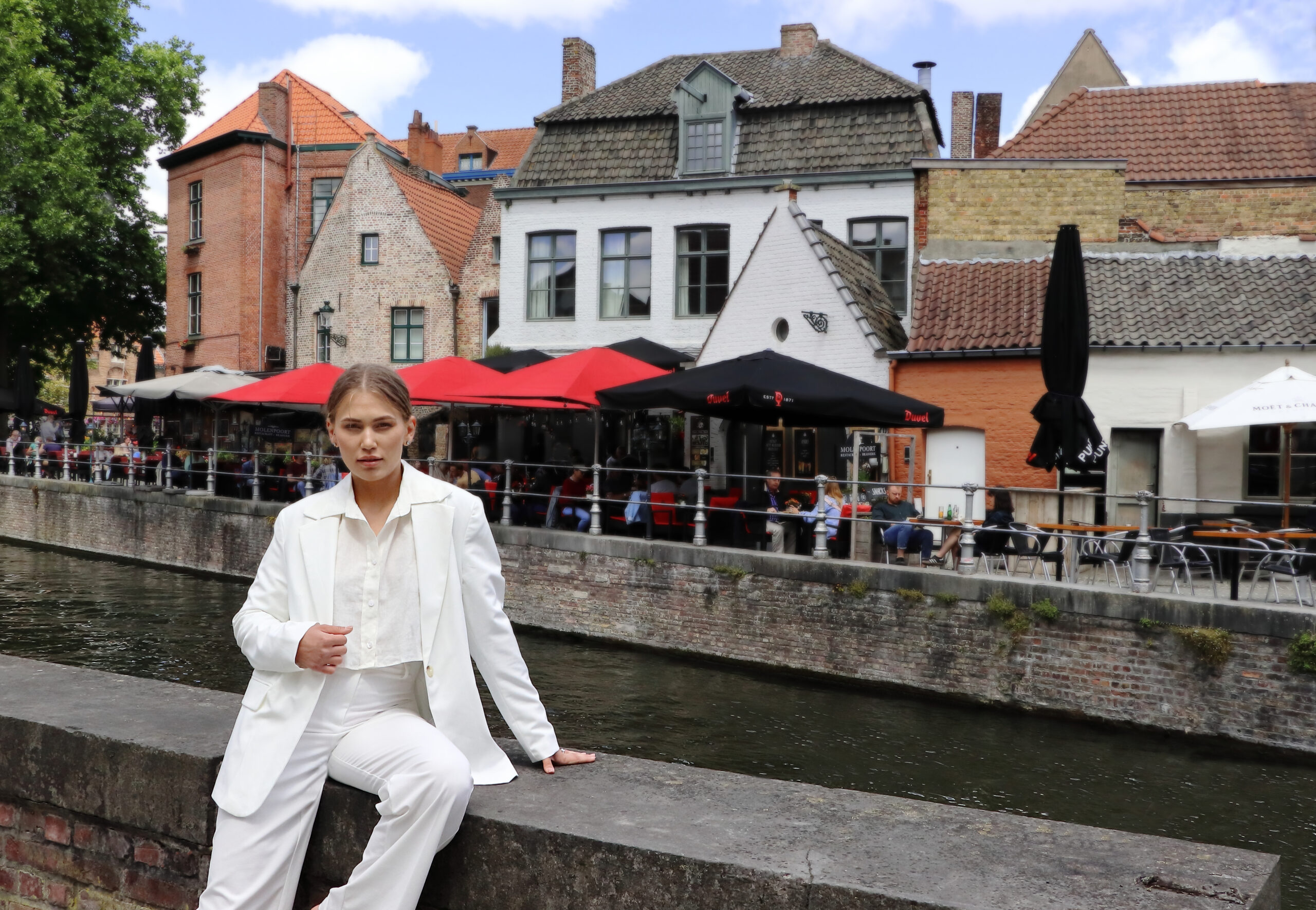
Creating strong visual content is no longer optional for fashion brands. Whether you are launching a new collection or building your online presence, high-quality imagery plays a key role in how your audience sees your work. But for designers working with limited resources, the process can feel overwhelming.
This is where a well-planned fashion photography production checklist becomes valuable. It helps you stay organized, avoid unnecessary expenses, and still achieve professional results. With the right approach, even a small team can produce visuals that look polished and aligned with the brand.
Key Takeaways
- A well-structured fashion photography production process starts with clear goals that connect visuals to business outcomes.
- Strong pre-production planning, including concept, mood boards, and shot planning, reduces confusion and saves costs.
- Smart budget allocation should prioritize photographer, lighting, and location over unnecessary extras.
- Choosing the right team, even on a small budget, has a major impact on the final results.
- Efficient shoot execution with a clear plan ensures better use of time and resources.
- Consistency across styling, composition, and editing is essential for a professional and cohesive look.
- Thoughtful post-production enhances images while maintaining brand authenticity.
- A repeatable system helps small teams scale their fashion photography production over time with better results.
Tips to Plan Your Fashion Photography Production on a Small Budget
1. Building a Clear, Creative, and Strategic Foundation
Defining Purpose Before Aesthetics
A successful fashion photography production begins with clarity. Before thinking about visuals, define what the shoot is meant to achieve. Whether the goal is driving sales, building brand identity, or creating social media content, this purpose should guide every decision. Many designers focus only on how things look, but strong fashion photography always connects visuals to intent.
Translating Ideas into Visual Direction
Once the goal is clear, shape it into a visual concept. Think in terms of mood, lighting, and composition rather than vague ideas. For example, instead of saying “modern,” consider whether the images should feel soft, high-contrast, or minimal. This level of detail reduces confusion and helps your team accurately execute your vision.
Using Mood Boards with Intent
Mood boards should not be random collections of inspiration. Each reference image should serve a purpose, such as showing lighting style, posing, or color tones. In areas like editorial wedding photography, mood boards are often used to build storytelling consistency, and the same approach works well in fashion photography production.
2. Budget Allocation That Maximizes Impact
Working with a small budget requires smart decisions. Focus your spending on elements that directly affect image quality, such as the photographer, lighting, and location. These areas have a greater impact than props or complex setups. Even in corporate photography, professionals prioritize clarity and execution over unnecessary extras.
Choosing the Right Photographer
The photographer is one of the most important investments. Instead of choosing solely on cost, look for someone whose style already aligns with your brand. This reduces the need for heavy direction and editing. Many wedding photographers are skilled at managing shoots efficiently with limited resources.
Making the Most of Locations and Lighting
A strong location can elevate your shoot without increasing costs. Natural environments often provide texture and depth that studios cannot replicate at a reasonable cost. Lighting also plays a key role. If equipment is limited, natural light can be used effectively with proper timing and positioning. A well-planned setup can make your fashion photography production look far more premium than its budget suggests.
Executing and Refining Your Fashion Photography Production
1. Managing the Shoot for Efficiency and Quality
Creating a Purpose-Driven Shot Plan
A structured shot plan keeps your shoot focused. Each image should serve a clear purpose, whether it is highlighting product details or creating a strong campaign visual. Instead of trying to capture everything, prioritize the shots that deliver the most value.
Maintaining Consistency During the Shoot
Consistency is what makes a collection feel professional. This includes styling, posing, and overall composition. In high-quality fashion photography, even small inconsistencies can weaken the final result. Keeping everything aligned ensures that your images work together as a cohesive set.
Balancing Structure with Creativity
While planning is important, flexibility also matters. Some of the best images come from unplanned moments. The key is to stay open to creative opportunities without losing focus on your main objectives. A balanced approach keeps your fashion photography production both efficient and innovative.
Post-Production that Strengthens Brand Identity
1. Selecting Images with Intention
Choosing the right images is just as important as capturing them. Avoid selecting too many. Focus on visuals that best represent your brand and clearly communicate your message. Strong selection improves overall impact.
2. Editing for Consistency and Accuracy
Editing should enhance the image, not overpower it. Over-editing can distort colors and textures, especially in fashion. Keep adjustments clean and consistent so that all images feel connected.
3. Organizing and Preparing Content for Use
Proper organization saves time and improves workflow. Label files clearly and store them in a structured way. Think ahead about how the images will be used across platforms. Preparing visuals in different formats ensures they remain effective in every context.
A well-managed post-production process completes your fashion photography production by turning raw images into polished, brand-ready assets.
Conclusion
A well-planned fashion photography production process allows small teams to create impactful, professional visuals without stretching their budget. By focusing on clear direction, smart resource allocation, and efficient execution, designers can achieve results that truly represent their brand. The key is not doing more, but doing the right things with intention. When each step, from concept to post-production, is handled thoughtfully, even limited resources can produce high-quality outcomes.
Over time, this structured approach builds consistency, improves collaboration, and helps your brand stand out in a competitive visual space.
If you want a professional photoshoot for your fashion brand, book an appointment with us.
FAQs:
What is the biggest challenge in Fashion Photography Production for small teams?
The biggest challenge is balancing quality with limited resources. Small teams often struggle with time, budget, and workforce constraints, making planning and prioritization essential for success.
How can designers maintain brand consistency across different shoots?
Consistency comes from using a repeatable process, clear creative direction, and a consistent editing style. Keeping a reference guide or visual standard helps maintain a unified look over time.
Is it better to shoot multiple collections in one session?
Yes, if planned properly. Shooting multiple looks in a single session can save time and money, but it requires careful organization to avoid confusion and maintain quality.
How do you know if your fashion shoot was successful?
Success depends on whether the images meet your original goals. This could mean improved engagement, stronger branding, or better product presentation.
What tools can help improve Fashion Photography Production on a budget?
Simple tools like mood board apps, basic editing software, and natural lighting setups can significantly improve results without increasing costs.
How important is storytelling in fashion photography?
Storytelling adds depth and emotional connection to your visuals. Even simple shoots can feel more engaging when they communicate a clear message or mood.
Can small teams achieve high-end results in fashion photography?
Yes, with strong planning, clear direction, and smart resource use, small teams can produce visuals that look polished and professional.