

How to Plan Event Photography Around Speakers, Sponsors, and VIP Guests
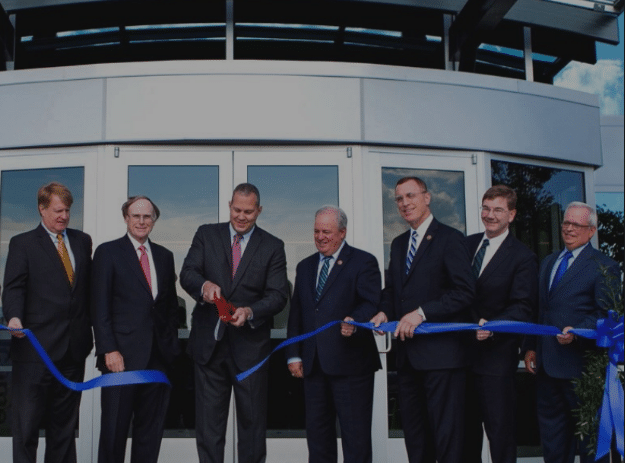
A corporate event brings together keynote speakers, sponsors, executives, and invited guests, each with different photography expectations. Organizers may need polished images of presentations, sponsor branding, networking sessions, and important attendees, often within a tightly scheduled program.
Without a clear photography plan, significant moments can be missed while photographers focus on less important activities. Effective event photography requires coordination with the event schedule, an understanding of priority guests, and preparation for moments that cannot be recreated. Planning these details also helps photographers work without disrupting presentations or guest interactions.
This guide explains how to organize photography coverage around the people, activities, and business objectives that matter most.
Key Takeaways
- Establish photography priorities with event organizers before the event.
- Coordinate schedules, shot lists, and access requirements for speakers and VIP guests.
- Capture sponsor visibility naturally without compromising image quality.
- Prepare for unexpected schedule changes and overlapping activities.
- Organize and deliver photographs according to the event’s communication needs.
Best Ways to Plan Event Photography Around Speakers, Sponsors And Guests
- Identify Event’s Objectives and Photography Requirements
Start by discussing the event’s purpose with the organizers. A corporate conference may prioritize keynote presentations, audience engagement, and professional networking, while an awards ceremony may focus on winners, executives, and sponsor recognition.
Ask how the photographs will be used, whether for press releases, social media, internal communications, future event promotions, or sponsor reports. These objectives determine the required images, shooting style, and delivery timeline.
Clarify the expected number of photographs, image formats, branding requirements, and deadlines. Understanding these details helps establish realistic expectations and ensures that the event photography coverage supports the event’s broader goals.
- Create a Detailed Shot List Before the Event
A comprehensive shot list provides a practical framework for covering important people and activities. Coordinate with the event manager to identify keynote speakers, panelists, sponsors, executives, award recipients, and VIP attendees who must appear in the final collection.
Include essential moments such as speaker introductions, presentations, audience reactions, networking conversations, sponsor displays, group photographs, and closing remarks. Record names, titles, and relevant organizational affiliations to reduce identification errors.
However, avoid treating the shot list as a rigid checklist. Experienced event photographers balance planned coverage with spontaneous interactions that communicate the atmosphere and character of the occasion.
- Coordinate Speaker Photography Around the Agenda
Speakers often have limited availability before and after their sessions. Review the event agenda carefully and identify opportunities to photograph them without interrupting their preparation or presentation.
Capture establishing images before sessions begin, including the speaker at the lectern, branded stage elements, and audience seating. During presentations, photograph expressive gestures, audience engagement, and relevant visual details while avoiding distracting movement.
Arrange brief portraits with speakers when possible, especially if organizers need images for promotional materials. Confirm whether speakers have specific preferences concerning event photography during presentations, and coordinate access with the stage manager.
- Plan Sponsor Coverage Without Making Images Look Forced
Sponsors frequently expect photographic evidence of their participation and visibility. Before the event, obtain a sponsor list and identify the brands requiring dedicated coverage.
Photograph logos on stage backdrops, presentation screens, exhibition booths, banners, and branded installations. Capture sponsor representatives interacting with attendees, demonstrating products, or participating in relevant discussions. This approach makes commercial photography more effective by combining recognizable brand elements with authentic interactions and meaningful event experiences.
The key is to make branding visible within authentic event moments. Instead of relying entirely on isolated logo photographs, combine environmental images with meaningful interactions that show how sponsors contributed to the occasion.
- Prepare for VIP Guests and Executive Portraits
VIP guests may include company leaders, government representatives, keynote speakers, distinguished clients, and invited dignitaries. Their attendance can involve additional security, privacy, and scheduling requirements.
Professional portrait photography helps showcase executives and distinguished guests while maintaining a polished, consistent image for corporate communications.
Ask organizers to provide an approved VIP list, arrival details, designated contacts, and any event photography restrictions. Identify suitable locations for formal portraits and determine whether access requires special credentials.
When photographing VIPs, maintain a professional distance and avoid interrupting private conversations. Capture formal handshakes, group interactions, and candid networking moments when appropriate. Confirm names and organizational titles before delivering images for public use.
Build Flexibility Into the Photography Timeline
Event schedules frequently change because presentations run over time, guests arrive late, or networking sessions extend unexpectedly. A photography plan should therefore include flexible coverage windows.
Identify must-have moments and establish backup opportunities for essential portraits or group photographs. Coordinate with the event manager to receive updates about schedule changes, room transitions, and speaker availability.
For large events, consider assigning photographers to different areas or activities. One photographer can cover the main stage while another documents sponsor booths and networking sessions. This division reduces missed moments when important activities occur simultaneously.
- Coordinate Access, Equipment, and Venue Logistics
Visit the venue beforehand whenever possible. Examine stage layouts, lighting conditions, room dimensions, restricted areas, and potential shooting positions. These details help photographers select suitable equipment and avoid unnecessary movement during presentations.
Prepare appropriate lenses, backup camera bodies, batteries, memory cards, and flash equipment where permitted. Test camera settings under the venue’s lighting conditions, particularly when presentations involve LED screens or mixed lighting.
Confirm event photography permissions, access credentials, equipment restrictions, and rules regarding flash use. Clear communication with venue staff prevents disruptions and allows photographers to work efficiently.
- Capture Authentic Interactions and Audience Engagement
Although speakers, sponsors, and VIPs deserve priority, successful event photography also documents the audience’s experience. Attentive listeners, networking conversations, questions during panel discussions, and reactions to announcements help communicate the event’s impact.
Look for natural interactions rather than repeatedly asking attendees to pose. These images provide context for presentations and demonstrate participation beyond the stage.
Respect attendees’ privacy and follow the organizer’s photography notices, consent procedures, and any restrictions. Skills used in engagement photography, such as anticipating natural expressions and documenting genuine connections, can also help event photographers capture authentic networking moments.
Wrap Up
Planning event photography around speakers, sponsors, and VIP guests requires preparation, communication, flexibility, and attention to detail. A structured shot list, coordinated schedule, clear access arrangements, and organized delivery process help photographers capture essential moments without disrupting the event.
By balancing stakeholder priorities with authentic storytelling, professional photographers can create a valuable visual record that supports event marketing, sponsor recognition, and future promotional efforts.
Make your next event memorable with professional event photography from Lokmer Photos that captures key speakers, highlights sponsors, and showcases VIP guests. Contact us today to plan your event coverage.
Frequently Asked Questions
How early should event photography planning begin?
Ideally, begin planning several weeks before a major event. This allows sufficient time to review the agenda, confirm stakeholder priorities, arrange access, and coordinate photography requirements with organizers.
What photographs do event sponsors typically need?
Sponsors commonly need images showing branded signage, exhibition spaces, representative interactions, stage visibility, and participation in event activities. The exact requirements depend on sponsorship agreements and intended marketing use.
How can photographers capture VIP guests without disrupting the event?
Coordinate with the event manager, understand VIP schedules, and identify suitable photography locations in advance. Use discreet positioning and photograph natural interactions without interrupting conversations or restricted activities.
How can photographers manage overlapping sessions?
For events with simultaneous activities, divide coverage responsibilities among photographers when the budget permits. Share the schedule, define individual assignments, and establish a communication method for unexpected changes.
What makes event photography useful after the event?
A well-organized collection provides professional images for press releases, social media, internal communications, sponsor reporting, and future event promotions. Accurate identification, timely delivery, and appropriate usage permissions make the photographs more valuable.